How can I get out of debt ASAP?
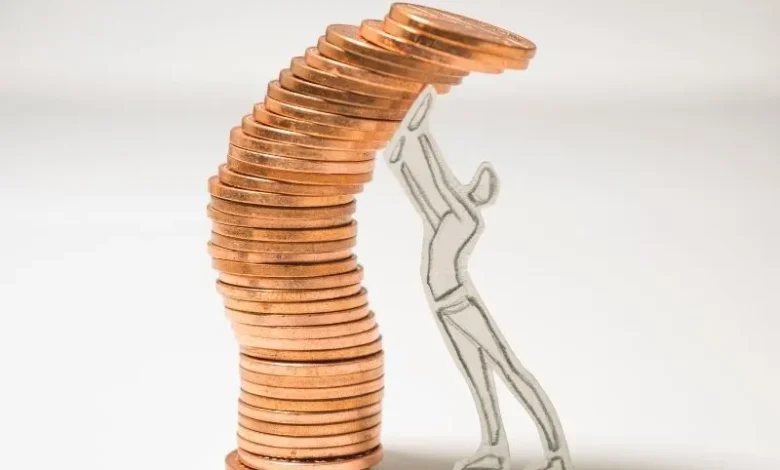
How can I get out of debt ASAP?
Feeling overwhelmed by debt is a common experience for many Americans. Whether you’re dealing with credit card balances, student loans, or medical bills, understanding how to escape the clutches of debt quickly is crucial for achieving financial freedom. In this article, we will explore practical strategies to help you get out of debt as soon as possible. We’ll cover everything from budgeting techniques to negotiating with creditors, ensuring you’re equipped with the knowledge to take control of your financial situation.
Understanding Your Debt
Before you can tackle your debt, it’s essential to understand what you owe. Take a comprehensive look at your financial situation:
- List all debts: Write down the amount you owe, interest rates, and minimum monthly payments for each debt.
- Check your credit report: Obtain your free credit report from AnnualCreditReport.com to confirm your debts and ensure there are no errors.
Being aware of your total debt will allow you to create an effective strategy to pay it off.
Create a Budget
A realistic budget is the cornerstone of effective debt management. Here’s how to create one:
Track Your Income and Expenses
Start by calculating your total monthly income, including your salary and any other sources. Then, track your expenses:
- Fixed expenses: Rent, utilities, insurance, and minimum debt payments.
- Variable expenses: Groceries, entertainment, and any discretionary spending.
Use budgeting apps or simple spreadsheets to make tracking easier. A popular method is the 50/30/20 rule, where you allocate 50% for needs, 30% for wants, and 20% for savings and debt repayment.
Identify Areas to Cut Back
Once you have a clear picture of your finances, identify areas where you can cut back:
- Dining out: Reduce the frequency of eating out or try cooking at home.
- Subscriptions: Cancel any unused streaming services or memberships.
- Shopping: Limit non-essential purchases and set a monthly cap on discretionary spending.
Redirecting these savings towards your debt can significantly expedite the repayment process.
Choose a Debt Repayment Strategy
There are several strategies you can use to pay off debt more quickly. Here are two popular methods:
The Snowball Method
This method involves paying off your smallest debts first while making minimum payments on larger debts. Once the smallest debt is paid off, you take the money you were using for that payment and apply it to the next smallest debt:
- List your debts from smallest to largest.
- Focus all extra payments on the smallest debt.
- Once paid off, move to the next debt.
The psychological boost of paying off debts quickly can motivate you to continue.
The Avalanche Method
Conversely, the avalanche method focuses on attacking the debt with the highest interest rate:
- List your debts from highest to lowest interest rate.
- Pay the minimum on all debts except the highest interest rate debt.
- Put all extra payments toward the highest interest debt until it is paid off.
This method can save you more money in interest payments over time, making it financially beneficial.
Increase Your Income
Boosting your income can significantly aid in debt repayment. Here are some ways to make extra cash:
- Side hustles: Consider part-time jobs like freelance writing, ridesharing, or tutoring.
- Sell unused items: Use platforms like eBay or Facebook Marketplace to sell clothes, electronics, or furniture you no longer need.
- Ask for overtime: If possible, request more hours at your current job or look for temporary opportunities.
Dedicate all extra earnings directly to your debt for faster results.
Negotiate with Creditors
Don’t underestimate the power of negotiation. Many creditors are willing to work with you to help you manage your payments:
- Request lower interest rates: Call your credit card company and express your desire for a lower rate, especially if you’ve been a reliable customer.
- Settle for less: If you’re in a tough financial spot, some creditors may be willing to settle your debt for a lower amount if you can pay immediately.
- Payment plans: Ask if they can offer a more manageable payment plan that fits your budget.
Document all agreements to ensure you have a record of what was discussed and agreed upon.
Consider Debt Consolidation
If managing multiple debts is overwhelming, debt consolidation might be a good option for you. This involves combining several debts into a single loan or payment plan. Here’s how it works:
- Personal loans: Take out a personal loan with a lower interest rate to pay off higher-interest debts.
- Balance transfer credit cards: Transfer high-interest credit card balances to a card with a 0% introductory rate.
- Home equity loans: Borrow against your home’s equity, but be cautious—your home becomes collateral.
Debt consolidation can simplify your payments and may lower your overall interest rates, but ensure you understand the terms before proceeding.
Utilize Financial Assistance Programs
In certain situations, financial assistance programs can offer relief. Research local and national programs that may provide aid:
- Credit counseling agencies: These nonprofit organizations can help you create a plan and may offer debt management programs.
- Government assistance: Some federal and state programs offer debt relief for students and low-income families.
- Nonprofit organizations: Look for charitable organizations dedicated to helping individuals manage their debt.
These resources can provide the support and guidance you need to make a plan for your financial future.
Commit to Financial Education
One of the best ways to ensure you never fall back into debt is through financial education. Learn about effective money management practices:
- Take online courses: Platforms like Coursera and Udemy offer courses on personal finance, budgeting, and investing.
- Read books: Consider investing in reputable personal finance books such as “The Total Money Makeover” by Dave Ramsey or “Your Money or Your Life” by Vicki Robin.
- Follow finance blogs and podcasts: Stay informed with content that fits your interests while providing actionable advice.
This knowledge will empower you to make informed financial decisions in the future.
Stay Motivated and Accountable
Getting out of debt is a marathon, not a sprint. Here are some tips to keep your motivation high:
- Set short-term goals: Celebrate small victories, such as paying off a credit card or reaching a savings milestone.
- Share your goals: Involve friends or family in your journey; they can serve as accountability partners.
- Track your progress: Visualize your debt repayment journey with charts or apps that show how far you’ve come.
The road to debt freedom can be long, but staying committed and focused will lead to financial peace.
Final Considerations
As you embark on your journey to eliminate debt, remember that it’s crucial to stay patient and persistent. It’s easy to get discouraged, especially when progress feels slow, but every step counts. Take advantage of the resources available to you, engage in financial education, and don’t hesitate to seek help when necessary. By implementing these strategies, you are on your way to achieving financial freedom and peace of mind.

Related Articles
Our HOME in English: Smart Finance: Learn, Invest, and Grow

Our Categories:
- 💳 Budgeting & Saving: Comparisons, reviews, and tips to choose the best card for your profile — cashback, travel rewards, no annual fee, and more.
- 🏦 Debt Management: Practical guides and evaluations of digital bank accounts, fees, benefits, and services.
- 📈 Retirement & Planning: Beginner guides, fixed income and variable income options, real estate investment trusts (REITs), and more.
- 🧮 Investing & Wealth Building: Learn to manage your budget, build an emergency fund, and get out of debt.
- 🚗 Credit Card Optimization: Explanations about mortgage, auto, and student loans, with smart money-saving tips.
- 🛡️ Personal Finance for Beginners: Information about the most important types of insurance to protect your family and assets.
- 📊 Financial Tools & Apps: Guidance on tax filing, investment taxation, and fiscal responsibilities.
- 🏖️ Financial Goals & Money Mindset: Tips to plan your retirement with private retirement plans, Social Security benefits, and passive income strategies.

If you’re feeling overwhelmed by debt, you’re not alone. Many Americans find themselves in a similar situation, seeking effective ways to regain financial freedom. Understanding how to get out of debt quickly can help alleviate stress and set you on a path toward a more secure financial future. This article will guide you through actionable steps to reduce debt, explaining various strategies that can lead to relief. By prioritizing your debts, creating a budget, and exploring available resources, you can take control of your financial landscape.
Strategies to Get Out of Debt
- Make a budget to track your expenses.
- Prioritize paying off high-interest debts first.
- Consider debt consolidation options.
- Increase your income through side jobs.
- Cut unnecessary expenses.
Conclusion
In conclusion, getting out of debt ASAP requires both a strategic plan and commitment. By implementing a budget, prioritizing payments, and potentially increasing your income, you can effectively work toward becoming debt-free. Remember that it’s a process, and the key is consistency. Seek professional help or utilize debt relief services if needed. The journey may be challenging, but the freedom you’ll gain from being debt-free is worth it. Take the first step today toward reclaiming your financial stability!
Frequently Asked Questions
1. What is the fastest way to pay off debt?
The fastest way to pay off debt is to use the snowball or avalanche method. The snowball method focuses on paying the smallest debt first, while the avalanche method prioritizes high-interest debts. Choose the one that motivates you the most.
2. Should I consolidate my debt?
Debt consolidation can simplify payments and may lower your interest rates. It’s suitable if you have multiple high-interest debts. Evaluate options carefully to ensure it’s beneficial for your situation.
3. Can I negotiate my debt?
Yes, negotiating with creditors for lower interest rates or settling for less than owed is possible. Be prepared with your financial information and have a clear proposal when negotiating.
4. How can I increase my income to pay off debt?
You can explore side gigs, freelance work, or selling unused items online. Each extra income can contribute significantly to paying off your debts faster.
5. What should I avoid while trying to get out of debt?
Avoid taking on more debt or making late payments, as these can increase your financial burden. Resist lifestyle inflation as you pay off debts.
6. Is it worth working with a credit counseling service?
Yes, credit counseling services can provide valuable guidance and may help you create a solid repayment plan. Ensure you choose a reputable organization.
7. What is a debt management plan?
A debt management plan is a structured repayment plan negotiated with creditors through a credit counseling agency. It can help lower interest rates and monthly payments.
8. How can I budget effectively?
Start by tracking all your income and expenses, categorize them, and set limits for each category. Ensure you allocate funds explicitly for debt payment each month.
9. Can I use retirement funds to pay off debt?
While you can borrow against some retirement accounts, it’s generally not recommended due to potential penalties and long-term effects on your savings.
10. What are the advantages of the snowball method?
The snowball method can boost motivation as you see debts eliminated quickly, leading to psychological satisfaction and strengthened commitment to becoming debt-free.
11. Should I cut expenses to pay off debt faster?
Absolutely! Cutting unnecessary expenses can free up more money for debt payments, accelerating your journey toward financial freedom.
12. How does debt affect my credit score?
High levels of debt can negatively impact your credit score by increasing your credit utilization ratio and resulting in missed payments, both of which lenders factor into their assessments.
13. What if I can’t make a payment?
If you’re unable to make a payment, contact your creditor immediately to discuss options like a temporary payment plan or hardship agreement to avoid penalties.
14. Is bankruptcy a good solution for debt?
Bankruptcy can provide relief but should be a last resort as it significantly impacts your credit and future borrowing capabilities. Consider consulting with a professional first.
15. How can I stay motivated while getting out of debt?
Set small, achievable goals and celebrate milestones. Join support groups or use motivational apps to keep focused. Remember, each step you take is progress!